Venezuela is a South American country with numerous islands in the Caribbean Sea. It is bordered by Brazil, Colombia, Trinidad & Tobago, Grenada, St Lucia, Barbados and Aruba, amongst many other countries.
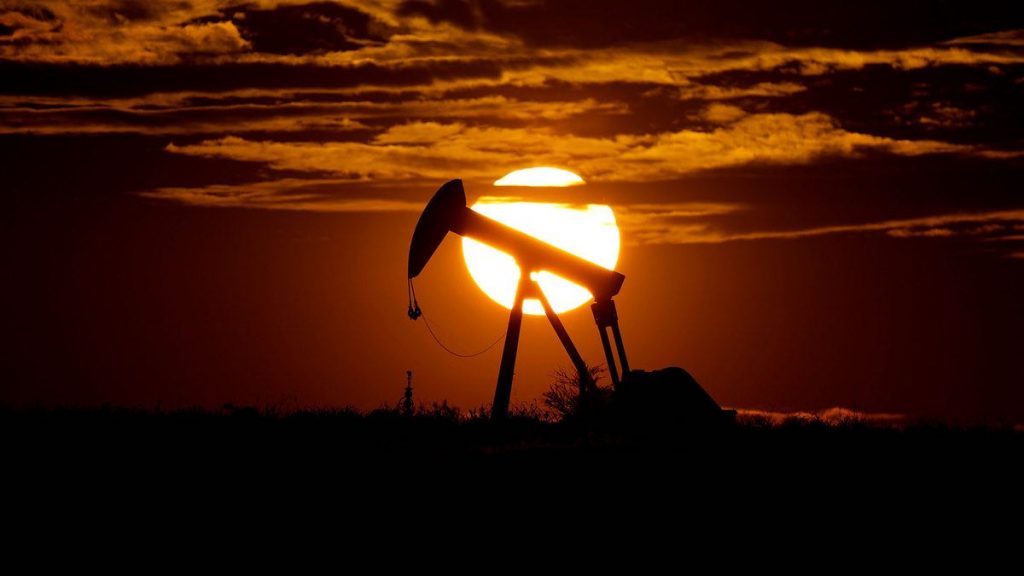
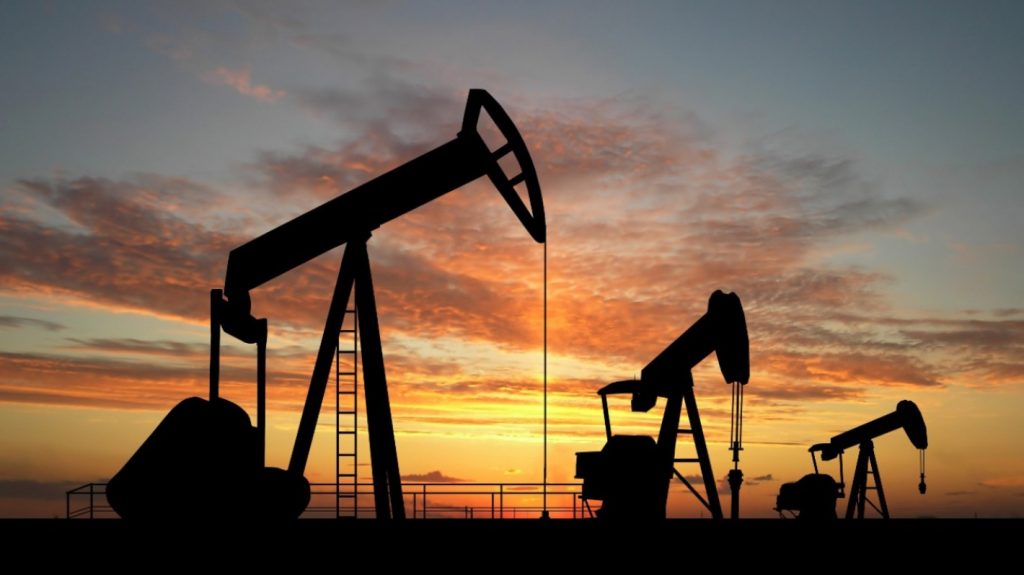
It has the eighth largest natural gas reserves in the world. The amount of associated gas of Venezuela reaches almost 90% of its natural gas reserves and the oil sector is consolidated in the first place on a world scale among countries with proven oil reserves.
Venezuela’s Economy
The Venezuela’s economy has had a 30% drop in GDP in 2020, but with the onset of the COVID-19 pandemic, the government has been forced to lift controls and make regulations more flexible, in order to stimulate investment private.
The opening of the domestic market, economic liberalization and the privatization of public companies are expected to accelerate in 2021.
In this context, Venezuelan migrants will contribute to reviving private consumption, which will be the main source in the internal economic dynamics of Venezuela.
Venezuela’s Trade & Imports
Although Venezuela has experienced sustained hyperinflation since mid-2015, the structural changes that Venezuela has experienced throughout 2019, such as the easing of exchange and price controls, have opened the possibility of a dollarization that It has given a new flowering to certain sectors, particularly commerce and services.
In 2020, imports in Venezuela grew by 9.37% compared to the previous year. Purchases abroad represent 11.9% of its GDP.
Venezuela’s Demographic
Venezuela has a population of 28,515,829 people.
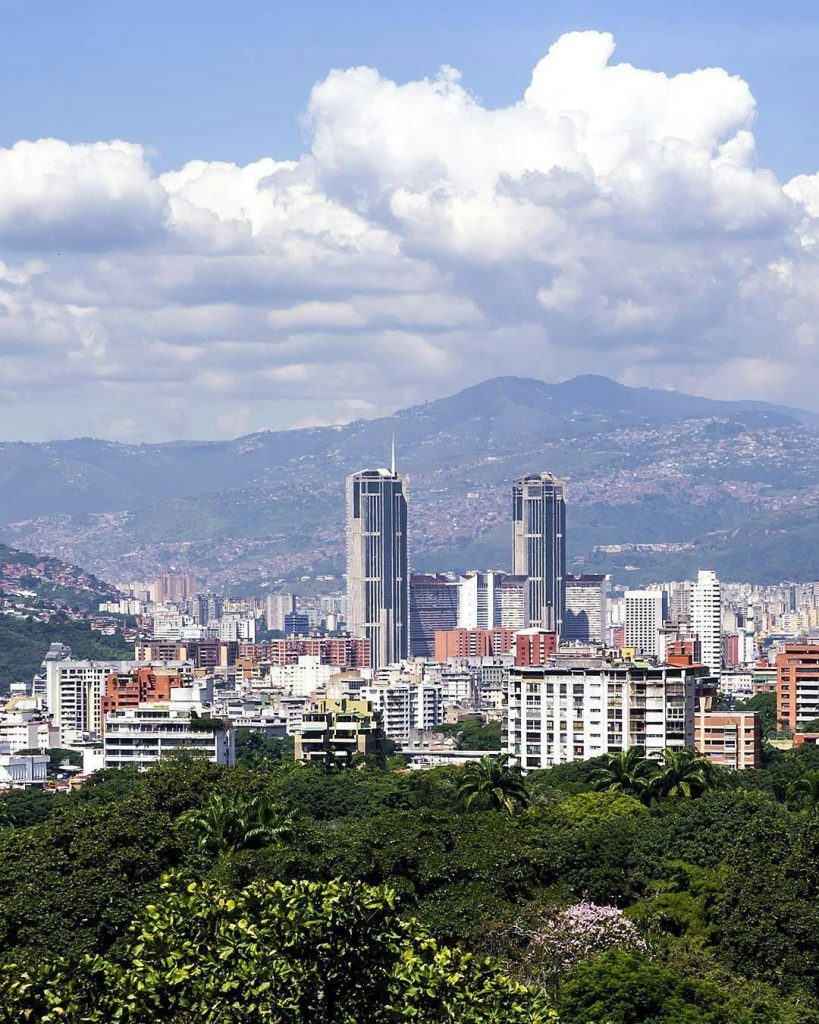
A percentage close to 85% of the population lives in areas of the country’s coastal region, distributed in numerous urban conglomerations (Caracas, Barquisimeto, Maracaibo, Barcelona, Valencia, among others), although almost half of the geographical area of Venezuela is located south of the Orinoco River; this region contains only 5% of the Venezuelan population.
 Repbarcher